
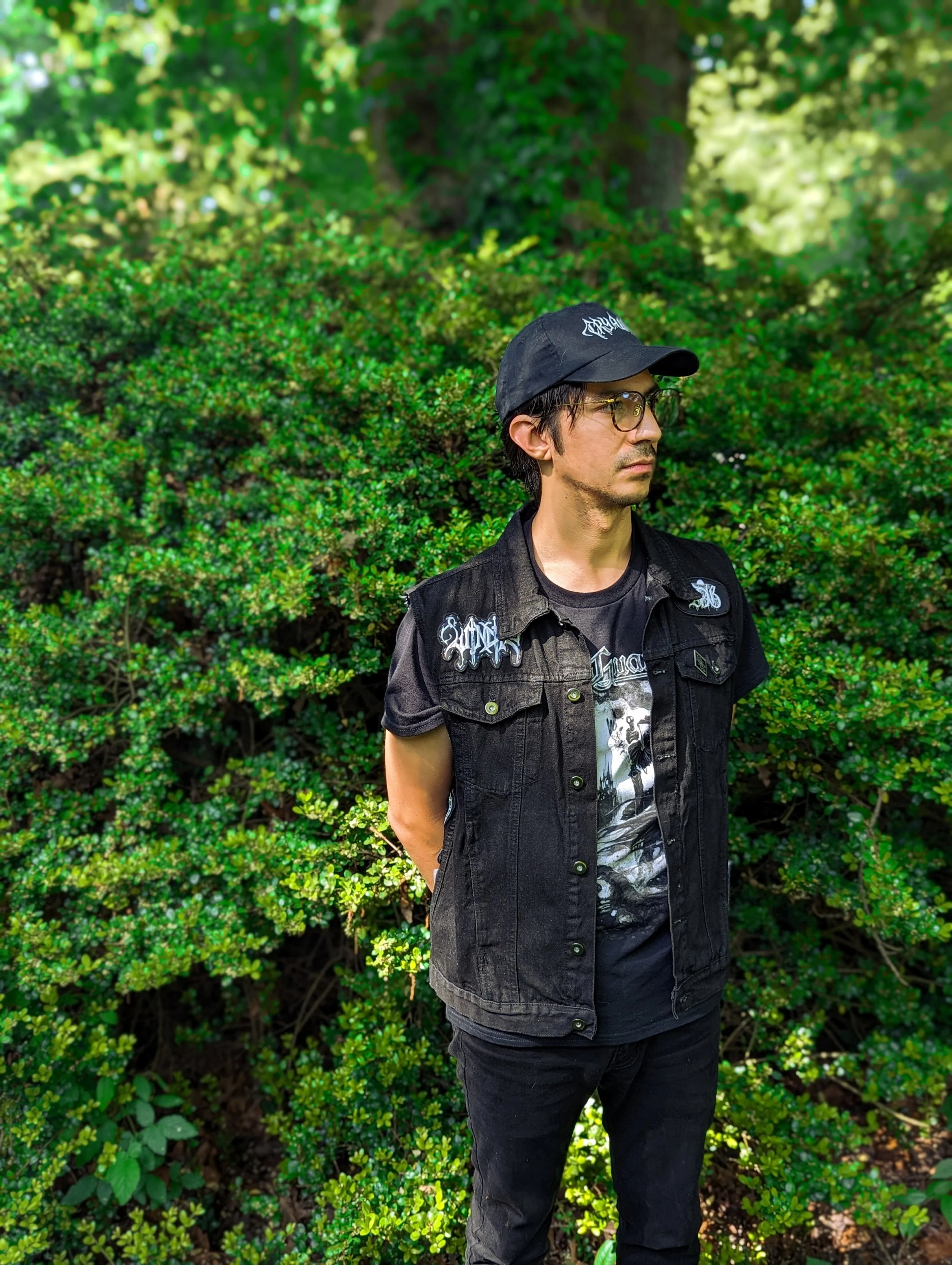
“Ending human caused animal suffering is the end goal for me, so my definition of vegan means rejecting any products or systems that feed into animal suffering.”
My name is Robert Sanford, I am the sole member of hobbit-black metal project Lammoth from Asheville, NC. I grew up just outside of Houston, TX, but moved to NC in summer of 2019. I went vegetarian in 2018 and vegan in 2020. It's one of those things I wish I would have done way earlier, but we're here now! Outside of music, I work full time as an engineer, I enjoy playing video games, hiking with my dog and partner, and reading.
When does conviction become more than a personal lifestyle choice?
I think part of it has to do with intentions. Like going vegan for health or diet reasons I would consider a personal lifestyle choice, but going vegan to help reduce net animal suffering is more than just a personal lifestyle choice.
What do you think gets lost when veganism is marketed as a lifestyle rather than a refusal of exploitation?
When veganism gets marketed as a lifestyle, it makes it seem like people are only doing it for themselves, versus the greater good. It almost becomes more of a religion, where you have to follow a certain set of rules, but why? In the end, the animals are who get lost by this.
Do you think people sometimes use veganism to feel morally superior without actually challenging the systems behind exploitation?
Absolutely, and though I don’t think it’s right to think of yourself as morally superior to anyone else, I will say that I think it’s okay to be vegan simply to feel better about yourself. It’s hard to ignore that there is a simple benefit of being able to sleep at night knowing your meals that day didn’t require any animal suffering. But at the same time, we have to stay focused on the goal of reducing/eliminating animal suffering, and not get caught up in the good feels of keeping our conscience clear.
What uncomfortable truth about veganism do you think more people need to hear?
To the non-vegans: Having pets and still eating animal products is hypocritical.
To the vegans: It’s okay to not be perfect. Also, being vegan is a privilege, currently there are places in the world where it is either very difficult or impossible to be vegan.
How do you respond when someone claims to oppose animal suffering but refuses to change their own behavior?
Let’s be real, I am very non-confrontational, so usually I will not challenge them. But I usually will bring up my own thoughts/opinions in hopes that it makes them reflect and maybe realize the contradiction.
Is hypocrisy inevitable when trying to live ethically, or should we hold ourselves to a higher standard?
I think to a certain extent it is inevitable. We cannot be perfect, and we should not expect that of ourselves. The goal should be continuous directional improvement!
Do you think calling out hypocrisy is necessary, or does it ultimately push people away?
It really depends on the situation, and the execution. I think generally it pushes people away more so than not, but I think it also can be useful to help people realize contradictions they didn’t know they had. Animal exploitation is so baked in to society, sometimes it takes a little nudge to get people thinking about the big picture.
Can someone genuinely oppose exploitation while still benefiting from systems built on it?
For sure, especially when we are unaware of them, or if they are out of our direct control.
What contradiction within the vegan movement bothers you the most?
The industrial scale distribution of products. Distributing products requires cargo ships, semi-trucks, trains, and planes which all can and do harm animals. Also the amount of plastic packaging used in vegan products which does not break down and eventually finds its way into our ecosystems.
What happens when radical ideas become fashion?
That’s a tough one. It could go either way. In some ways it can diminish the integrity of the idea in the wrong context. Alternatively, it could enhance the idea and emphasize the point. Fashion is a completely valid form of expression, but I think it’s just important to get the context right if it’s being used as a media to express radical ideas.
Do you believe veganism has diminished its confrontational nature?
I can only speak from my personal experience, but I would say overall it probably has. Generally all the vegan straight edge people I’ve talked to have been chill tend to be pretty and non-confrontational.
Why do you think some people embrace the imagery and identity of resistance without embracing its ethics?
I think it makes some people feel better about themselves, without having to put forth much effort. The ethics are the hard part after all!
Is there still room in hardcore for ideas that genuinely make people uncomfortable?
I think so, as long as they aren’t hateful ideas! But sometimes the truth hurts, and people need to hear it.
Do you think the scene has become better at talking about ethics or just better at branding them?
Probably a little bit of both. The internet and social media has given everyone a platform to share ideas, including bands being able to talk about ethics more off-stage. At the same time, everything online is so much more “seen” so there’s a little bit more pressure to speak out on ethics.
Can veganism remain radical once corporations realize they can profit from it?
For sure, but I don’t think it’s necessarily important for it to remain a “radical” idea. From my perspective, it seems like the end goal should be for veganism to be normalized actually.
What are your thoughts on the potential consequences of animal liberation becoming a consumer trend?
My only worry would be that it could deceive people and ultimately lessen the overall effect of helping animals. Similar to the “greenwashing” effect, where products are marketed as being eco-friendly but it’s really just a trick to make people buy something that may not actually be as responsible as people think. We are already kind of seeing this with the “plant-based” label being thrown on everything. Or even tricks by the FDA like putting deceptive terms like “cage-free” or “free-range” on egg packaging, where people don’t actually know the official definition.
Is purchasing a vegan product sufficient to challenge the status quo, or can consumerism simply perpetuate the same system in a different guise?
It really depends. Like I don’t think buying Oreos is challenging the status quo, but buying vegan products in general is a “voting with your wallet” situation. I think it just depends on how ethically the products are made, and the intent of whoever makes them.
How do you distinguish between supporting vegan businesses and engaging in activism that is commodified?
Kind of the same answer as above, it depends on the intent of the business. Any vegan business that’s non-profit is probably a good sign, especially if they are transparent about donating money to animal welfare causes.
Do you think the movement should be more suspicious of corporations adopting vegan messaging?
Yes and no. Similar to what I mentioned earlier, I am always skeptical that businesses are “greenwashing” their products by throwing plant-based labels on them etc. which bothers me. But at the same time, if vegan products are being offered by larger corporations, and it animal suffering is reduced as a result of the increased demand of those products, I think that’s still a net positive.
What does resistance look like when the system can sell you an image of resistance?
When this happens, it’s easy to think you’re making more change than you actually are. Really this ends up slowing down real progress, and reduces trust of anyone considering joining the cause.
Do you see veganism as the end goal, or as one part of a broader struggle for animal liberation?
Depends on what your definition of veganism is. Is it vegan to own work animals? Are zoos vegan? Etc. Ending human caused animal suffering is the end goal for me, so my definition of vegan means rejecting any products or systems that feed into animal suffering, in which case veganism would be the end goal.
Is “animal welfare” enough, or does meaningful change require abolition of animal exploitation?
For the most part, I think if an animal is being exploited, then its welfare is not being considered, so to me these are two sides of the same coin.
Why do you think society accepts violence against animals that would be unacceptable toward humans?
Most humans do not see themselves as animals, and consider themselves superior to other species of animal.
What do you think people are most unwilling to confront about where their food comes from?
I think because subconsciously most people know there is something wrong with the food industry. It’s an uncomfortable truth that would require drastic lifestyle changes that most people are not willing to make. So most people prefer to turn a blind eye. It’s a “what I don’t know, won’t hurt me” situation.
Should animal suffering be made uncomfortable to look at if comfort is part of what allows exploitation to continue?
We don’t have to make it uncomfortable, I think for most people it already is uncomfortable to look at, the problem is more that most people choose not to look.
Do you think changing individual behavior is enough without challenging the institutions responsible for exploitation?
While always a good thing, unfortunately it’s not enough. You can choose not to harm animals with your own hand, while still buying products and supporting systems which exploit animals
Is ignorance still an excuse when the information is readily available?
To simply put it, no haha.
What does liberation actually mean to you?
Kind of answered above, for me I think it means free from human caused suffering.
Do you believe activism should make people uncomfortable?
Not necessarily by default, but I think when it does it’s probably a good thing.
Is there such a thing as being too confrontational when animals are the ones paying the price?
I do, though I tend to be a pragmatic type of person. I just think extreme confrontation can do more harm than good, which defeats the point.
Do you think protecting someone’s feelings can sometimes come at the expense of telling the truth?
Absolutely, and this is not an idea that’s exclusive to activism even. We do this with our friends, family and relationships all the time.
What do you think people are most defensive about when confronted with veganism?
Usually it’s tied to tradition. Using animals for food, and materials has been baked into our culture since the dawn of humanity, and that can be a difficult thing for a lot of people to redefine or break away from.
Have you ever stayed quiet about your beliefs because confrontation felt easier to avoid?
Many times, even if that’s not the right thing to do. It’s much easier to stay quiet and not stir the pot, but a lot of times change requires stepping out of our comfort zones.
What are you willing to sacrifice for your principles?
Specific forms of pleasure and entertainment.
What would make you walk away from a scene, community, or movement you once believed in?
Hypocrisy.
At the end of the day, what are you actually fighting for?
End of human caused animal suffering.
If nobody thanked you, recognized you, or remembered you, would you still do it?
Yeah, that’s what integrity is all about.
LAST WORDS
Something you wish someone had told you when you first went vegan:
It’s easier than you think.
Something the scene needs to be held accountable for:
Harming animals.
What part of the scene makes you embarrassed to be associated with it?
NSBM, racism, homophobia, transphobia, gatekeeping… etc. :)
A form of exploitation people don't talk about enough:
It’s already a pretty common topic, but I’m going to say dairy industry. I think most people understand the ethical dilemma of eating meat, but the average person doesn’t understand the same for dairy products, so we need to keep talking about it!
One thing that still gives you hope:
Seeing major restaurant chains offer vegan options. I realize that at the end of the day, they are just trying to make money, but to me it shows that we still have the power to change.
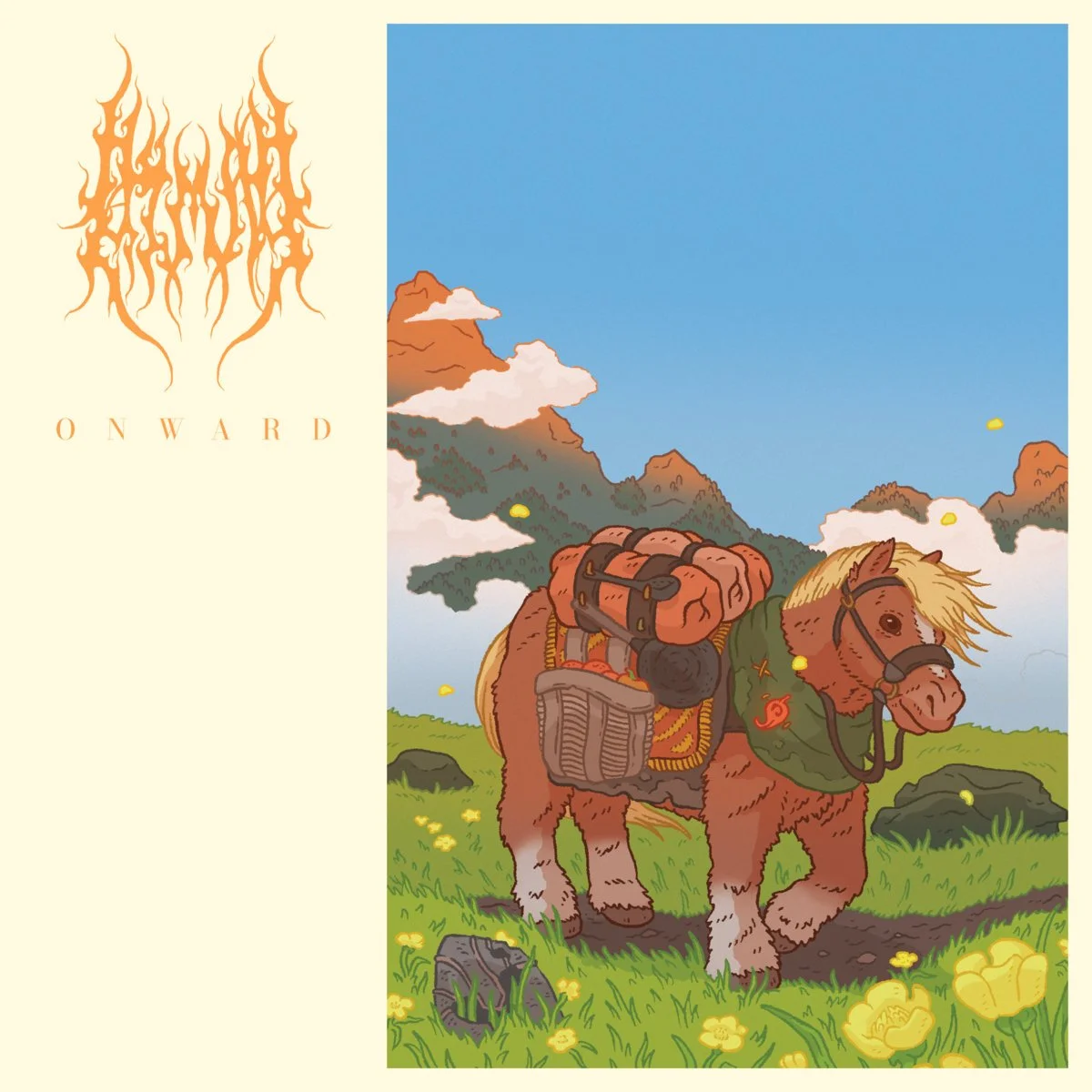
LISTEN TO “ONWARD” BY LAMMOTH NOW!
Bandcamp can be found below.